
Photorealistic 3D Rendering for Windows and Front Doors.
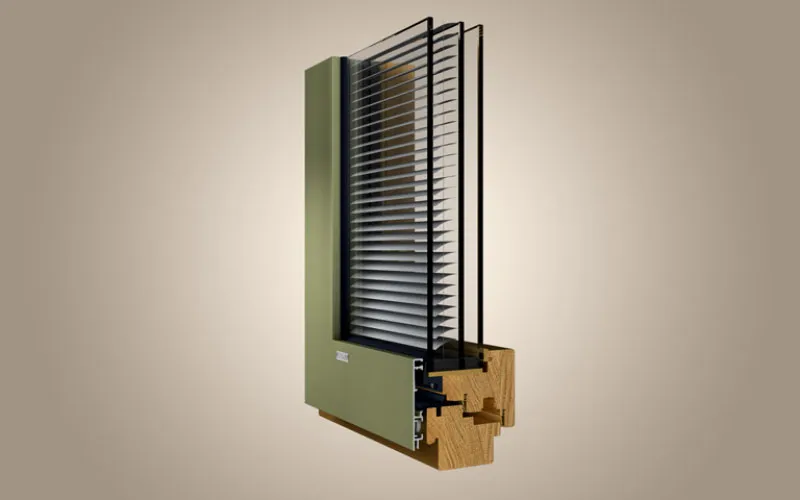
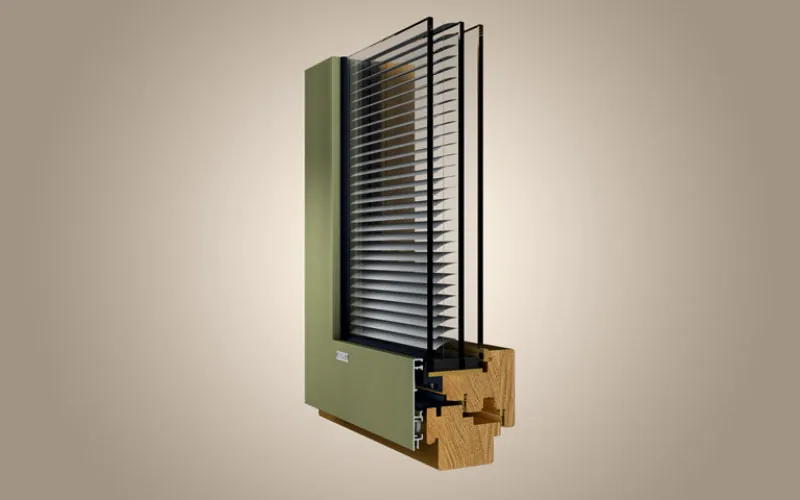
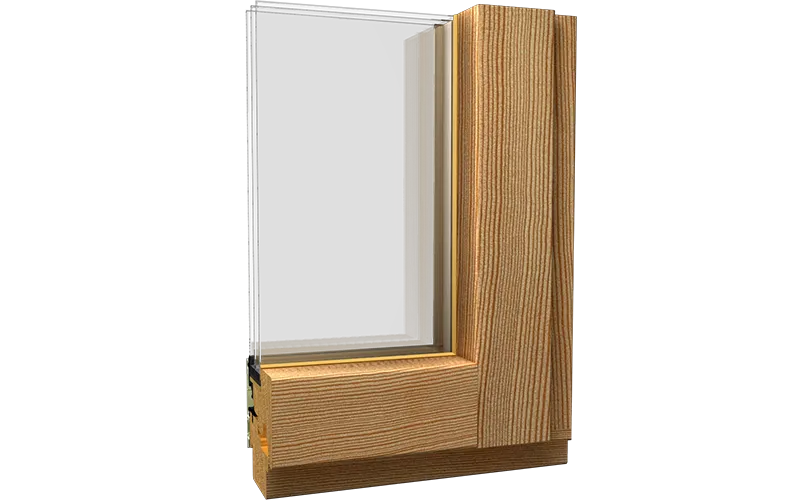
The photorealistic visualisations replace physical prototypes and are used across media in catalogues, on the website and in marketing materials.
Initial Situation
Windows and front doors are products with many variants, offering different materials, surfaces, profiles and features. Until now, physical samples had to be manufactured, staged and photographed for each new product line – a cost- and time-intensive process. In addition, maintaining visual consistency across catalogues, websites and other media was only achievable with considerable organisational effort. Product changes or new variants regularly led to repeat photo shoots.
Objective
The goal was to develop an efficient 3D workflow for creating photorealistic product images for windows and doors. The solution should:
- make physical prototypes superfluous for marketing purposes
- enable new models to be visualised at short notice
- ensure a consistent visual language
- deliver flexibly adaptable renderings for different media formats
- be scalable and extensible in the long term The focus was not just a single rendering, but a reproducible system for digital product visualisation.
Implementation
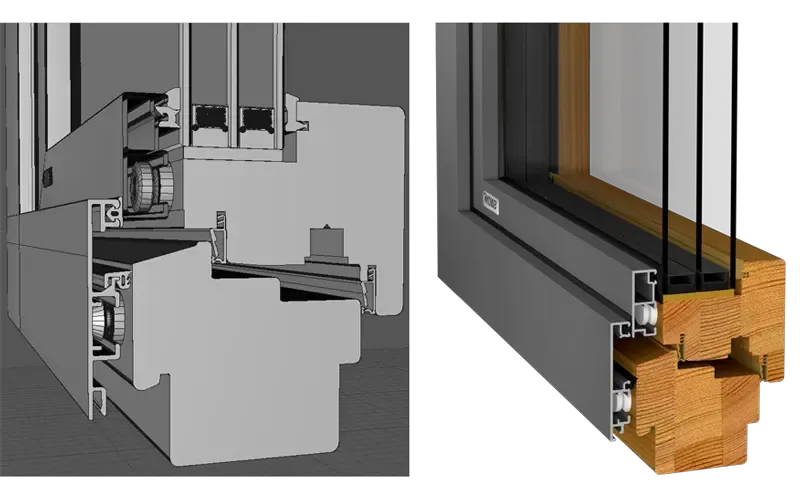
The products were modelled three-dimensionally to the millimetre on the basis of technical drawings. Particular attention was paid to detail accuracy, realistic materiality and correct proportions. For the consistent presentation of all models, Convario developed a reusable, high-quality scene with defined lighting and a fixed camera perspective. This creates a uniform visual identity across the entire product range. Through realistic texturing, material simulation and optimised render settings, the visualisations achieve a high degree of photorealism. Surfaces, cut edges and light reflections were worked out so that the results are barely distinguishable from real product photography. The renderings are output in a media-appropriate manner – from high-resolution print formats for catalogues to performant web versions for online presences.
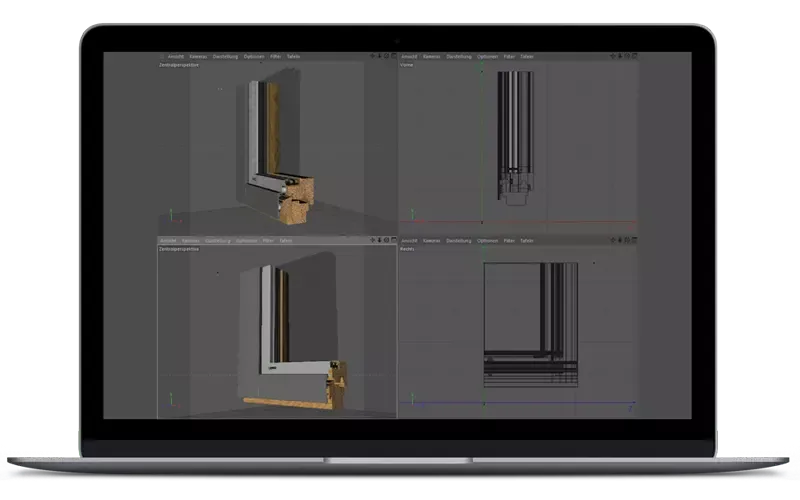
The structured model architecture allows new window and door variants to be efficiently added. Existing scenes can be reused, enabling new product images to be generated in a short time. Format, resolution and intended use are already taken into account in the rendering process. This produces optimised files for:
- Print catalogues
- Website and online shop
- Product data sheets
- Trade show and presentation materials Changes to existing products can be implemented without new physical production. This shortens innovation cycles and permanently reduces marketing costs.
Result and Strategic Positioning
With the introduction of the 3D rendering workflow, KOWA was largely able to replace classic product photography. New models can be visualised more quickly, product changes can be updated easily and the entire product range can be presented consistently. The high-quality, photorealistic presentation improves brand perception and supports customer decision-making through clear comparability of models. The project demonstrates how manufacturers can reduce time, costs and organisational overhead through digital product visualisation – while simultaneously achieving higher visual quality.
Convario develops custom 3D rendering solutions and visualisation workflows for manufacturers with products that require explanation or have many variants. The focus lies on:
- Photorealistic 3D product visualisation
- Replacement of classic product photography
- Scalable rendering pipelines
- Cross-media image consistency
- Integration into marketing and sales processes When physical prototypes are created primarily for marketing purposes, digital visualisation offers a significantly more efficient and flexible model.